Main Library
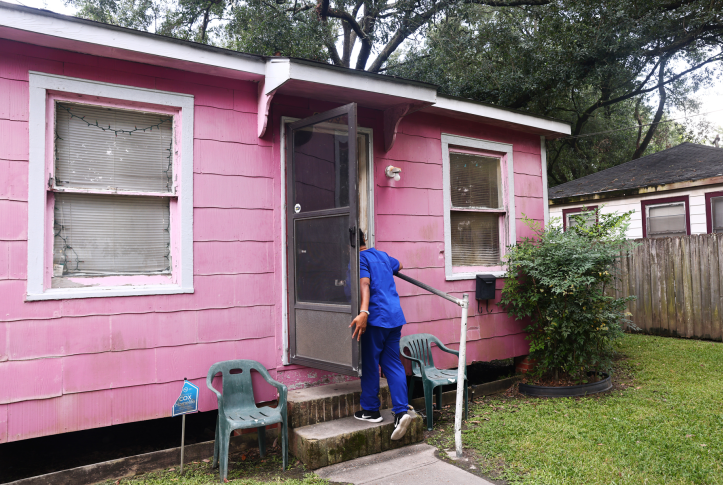
A growing emphasis to meet patients where they’re at has led health systems and hospitals to take primary care out of its traditional setting.
“We can’t expect people to alter their lives to fit into our schedule. We need to alter our schedule to fit into their lives,” MetroHealth President and CEO Christine Alexander-Rager, MD, told Becker’s. “What worked five or 10 years ago doesn’t always fit today’s realities. By stepping back and reexamining how we’re organized, we’re creating a more patient‑centered experience.”
Nationally, primary care physician supply is expected to meet 73% of demand by 2037; in rural areas, that figure drops to 68%, a Commonwealth Fund report published Nov. 17 found. Rural areas are feeling the burden of this gap. Around 92% of rural counties are federally designated as primary care health professional shortage areas, meaning they lack a sufficient number of providers relative to community needs. Overall, nearly 43 million people live in rural areas where there is an insufficient supply of primary care providers.
Health systems have been working to meet the demand for care by opening more clinics, integrating more specialty services and offering more options for care.