Main Library
Primary care already has a pipeline problem. Medical Economics reported that the 2026 residency match offered 5,491 family medicine positions but filled 83.6% of them, leaving 899 unfilled and prompting a new review of the specialty’s growth and sustainability. Those family medicine match results should sharpen the way practices think about artificial intelligence (AI), which can help physicians recover time. However, practices should use some of that gain to strengthen the next generation of clinical judgment.
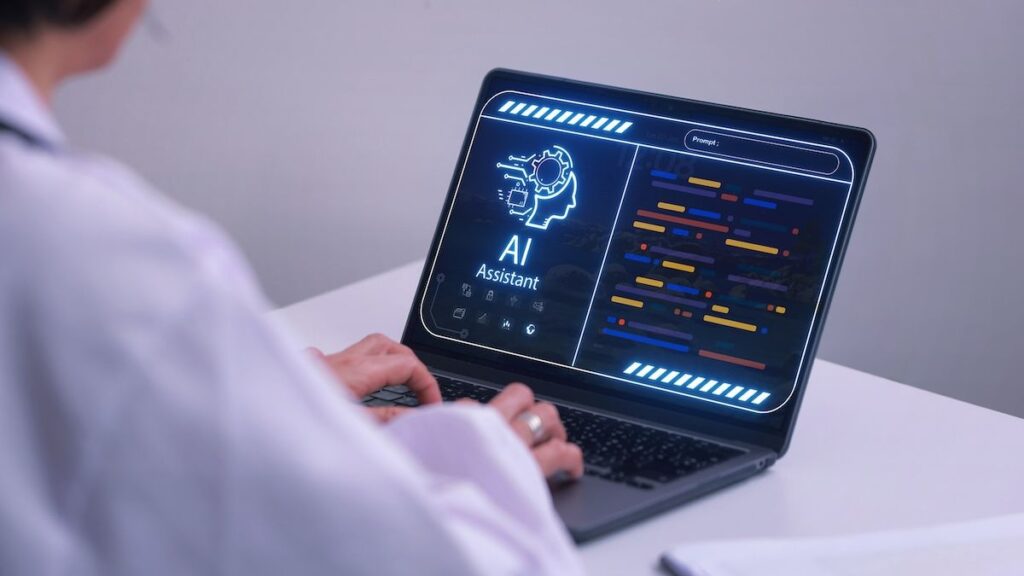
The technology is already moving into routine medical work. The American Medical Association’s (AMA’s) 2026 physician survey found that 81% of respondents use AI professionally, with common uses including research summaries, discharge instructions, documentation, chart summaries, patient-message drafts and assistive diagnosis. That rapid growth in physician AI use makes the training question immediate: What happens to early-career learning when software increasingly produces the first draft of work that physicians once had to construct themselves?